Mindfulness Breathing Infographic
The Mindfulness Breathing Infographic is a visual resource designed to communicate core breathing and mindfulness techniques through clean, modern design. It presents evidence-informed practices—such as diaphragmatic breathing, 4-7-8 breathing, box breathing, and mindful awareness cues—in an organized, sequential layout. Rather than relying on dense text or abstract concepts, it uses light illustration, ample white space, and a restrained color palette (soft blues, muted greens, warm neutrals) to support comprehension and reduce cognitive load. The infographic is not a standalone teaching tool, but a visual aid intended for integration into wellness education, clinical settings, meditation instruction, or coaching materials.
People often seek out the Mindfulness Breathing Infographic when they need to convey foundational breathing practices quickly and consistently—especially in group or time-constrained environments. Educators may use it during introductory workshops; therapists might display it in waiting areas or share digital copies with clients; workplace wellness coordinators could embed it in internal learning platforms. Its appeal lies in its clarity: each technique is visually segmented, labeled with simple action verbs (“Breathe In,” “Hold,” “Release”), and paired with minimal explanatory text. This makes it especially useful for audiences with varying literacy levels, language backgrounds, or attention spans.
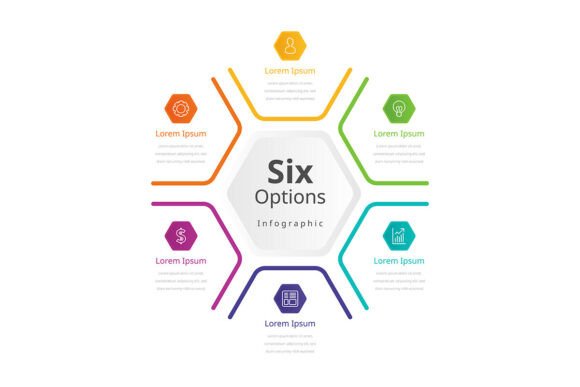
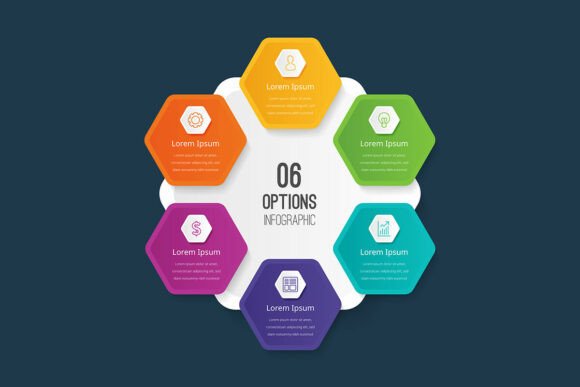
One key benefit is flexibility in delivery. Because the Mindfulness Breathing Infographic comes in six design variations—each differing in layout emphasis, icon style, or typographic hierarchy—users can select the version that best matches their audience’s needs. A version with larger icons and fewer steps may suit younger learners or neurodiverse participants, while a more detailed variant with subtle anatomical cues could support health science students. All versions are fully layered and editable across multiple file formats (.AI, .EPS, .AF, .FIG, and Canva-ready links), allowing adjustments to labels, colors, spacing, or sequence without design expertise.
However, this adaptability comes with considerations. While the files include free, open-source fonts and are optimized for screen viewing (RGB, 72 dpi), they are not print-ready at high resolution. Users planning physical handouts or large-format wall displays will need to adjust sizing, re-export assets, or consult a designer to avoid pixelation. Also, because all illustrative elements are symbolic—not photographic or anatomically precise—the infographic prioritizes accessibility over clinical specificity. It does not replace individualized instruction for people with respiratory conditions, trauma histories, or anxiety disorders where breathwork must be carefully scaffolded.
Another practical expectation is scope. The Mindfulness Breathing Infographic focuses exclusively on breathing as a gateway to present-moment awareness. It does not cover related topics like body scanning, loving-kindness meditation, movement-based mindfulness, or cognitive reframing. For comprehensive mindfulness curricula, it functions best as one component among others—not a full program. Likewise, it assumes baseline familiarity with terms like “inhale,” “exhale,” and “pause.” Those supporting absolute beginners may need to pair it with verbal guidance or simplified audio cues.
This resource is a strong fit when the goal is consistent, scalable visual communication. For example, a hospital’s patient education team might use it to standardize pre-procedure relaxation instructions across departments. A yoga studio launching a community outreach initiative could customize one variation with their logo and local language translation, then distribute it via social media or printed flyers. Similarly, online coaches building self-paced courses may import the Figma or Canva versions directly into learning management systems, ensuring visual continuity across modules.
Conversely, alternatives may be preferable in certain contexts. If the priority is deep skill-building—such as helping participants recognize subtle shifts in autonomic arousal or refine breath timing through biofeedback—a guided audio series or interactive app with real-time metrics would offer more functional support. For clinical settings requiring documentation or evidence alignment, peer-reviewed handouts from organizations like the American Psychological Association or Mindful.org may better meet compliance or citation standards. And if customization needs extend beyond color and text—such as adding dynamic animations, branching pathways, or multilingual voiceovers—the static nature of the Mindfulness Breathing Infographic becomes a limitation rather than a strength.
Decision-making hinges on three questions: What is the primary use case? Who is the intended audience? What level of technical or design support is available? If the answer involves quick visual reinforcement in low-tech or mixed-ability settings—and you have access to basic editing tools—the Mindfulness Breathing Infographic delivers measurable value. But if your work demands clinical precision, longitudinal tracking, or highly personalized pacing, supplementing it with trained facilitation or adaptive digital tools is advisable.
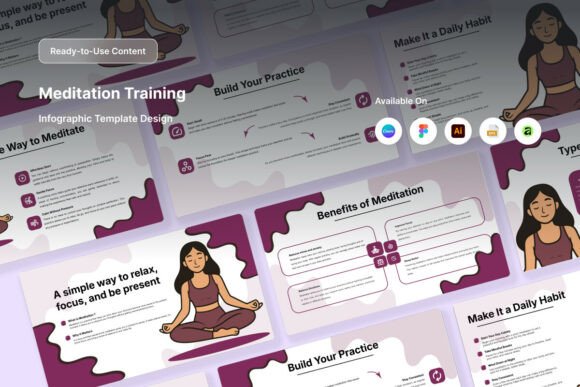
It’s also worth noting what the Mindfulness Breathing Infographic does not include: stock photography, licensed imagery, or pre-recorded audio. All preview images shown with the product are for demonstration only and are excluded from the download. This keeps file sizes small and licensing unambiguous—but means users must source or create any supplemental visuals independently. For teams with limited graphic design capacity, the included Readme file and font documentation help streamline setup, though some familiarity with vector editing remains helpful for deeper customization.
In summary, the Mindfulness Breathing Infographic serves a distinct niche: clear, adaptable, aesthetically grounded visualization of foundational breath awareness practices. It supports learning by reducing ambiguity—not by replacing human instruction. Its strength lies in consistency, not comprehensiveness; in accessibility, not specialization. Readers evaluating whether it aligns with their goals should weigh the balance between visual utility and functional depth, and consider how it fits within a broader ecosystem of tools, training, and support.