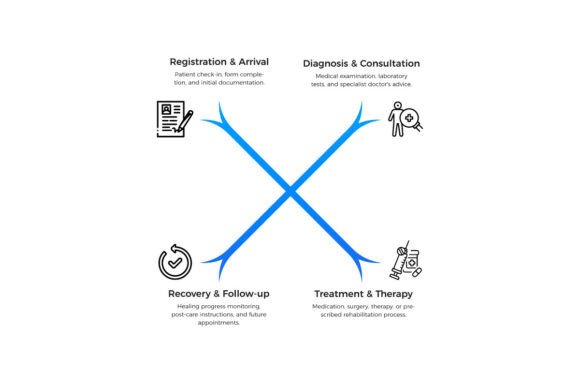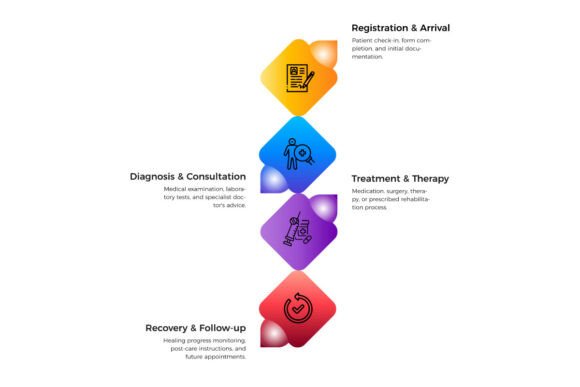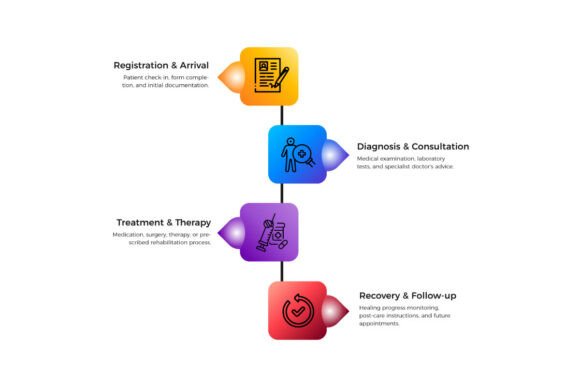
Medical Patient Journey Registration
Medical Patient Journey Registration isn’t just another administrative step—it’s the quiet foundation that makes coordinated, compassionate, and efficient care possible. Think of it as the first meaningful handshake between a patient and the healthcare system: not just collecting names and insurance cards, but capturing context, preferences, concerns, and expectations before a single test is ordered or diagnosis considered.
In real-world practice, this registration process goes far beyond a clipboard at reception. It’s often the first opportunity to identify red flags—like language barriers, transportation challenges, mental health history, or social determinants of health—that could otherwise delay diagnosis or derail recovery. When done thoughtfully, Medical Patient Journey Registration sets the tone for everything that follows: accurate diagnosis, personalized treatment, and sustainable recovery.
Where This Makes a Real Difference—Right Now
Consider a 38-year-old teacher in Austin managing early-stage type 2 diabetes. She books her first endocrinology visit online—but instead of jumping straight to lab orders, the clinic’s digital registration asks her about meal timing, work schedule, stress triggers, and previous attempts to manage blood sugar. That context helps the provider tailor advice—not just prescribe metformin, but co-create a plan aligned with her actual life. That’s Medical Patient Journey Registration working as intended: human-centered, anticipatory, and quietly powerful.
Or imagine an elderly patient arriving at an urban ER after a fall. Her daughter fills out a tablet-based registration that includes medication lists, advance directives, preferred communication methods (e.g., “call my sister first”), and even notes like “gets anxious in crowded waiting rooms.” The triage team sees this before she’s even assigned a bed—and adjusts accordingly. No extra steps. Just smoother, safer, more respectful care.
These aren’t edge cases. They’re everyday moments where thoughtful registration prevents missteps: duplicate testing, overlooked allergies, delayed referrals, or disengaged patients who stop showing up because they felt unseen from day one.
Who Uses This—and Why Their Needs Differ
Hospitals and Health Systems rely on Medical Patient Journey Registration to unify data across departments—from emergency intake to outpatient rehab. For them, it’s about interoperability: ensuring allergy alerts from registration appear in the EHR during surgery prep, or that discharge instructions auto-generate in Spanish if that’s what the patient selected at sign-in.
Specialty Clinics—like oncology, fertility, or behavioral health practices—use it to surface emotionally sensitive information early. A fertility clinic might ask about prior losses or support systems during registration; an addiction treatment center may include brief screening questions for depression or housing stability. These aren’t clinical assessments—they’re empathy prompts that help providers enter the room already attuned.
Telehealth Platforms lean into registration to bridge the physical distance. Before a video consult, patients upload photos of rashes, log symptom timelines, or flag urgent concerns (“pain is worse at night”). That pre-visit input lets clinicians prioritize efficiently—no time wasted rehashing basics, more time spent interpreting nuance.
Employers and Wellness Programs also adopt versions of this for onboarding employees into corporate health initiatives. Registration here might capture lifestyle goals, chronic condition management needs, or interest in nutrition coaching—helping match people with resources *before* they hit crisis mode.
What’s Inside the Package—And What It Lets You Do
This Medical Patient Journey Registration package gives you more than templates—it gives you flexibility rooted in real care workflows. You’ll receive:
- An AI file: Fully editable in Adobe Illustrator, so designers or IT teams can adapt colors, fonts, icons, or layout to match your brand—or integrate directly into your patient portal interface.
- An EPS file: Ideal for high-resolution print use—think welcome packets, clinic wall signage, or printed intake forms for locations with limited tech access.
- A preview JPEG file: Quick reference for stakeholders, training sessions, or internal presentations—no software needed to visualize how it works in practice.
None of these files lock you into rigid fields or outdated assumptions. Instead, they offer a clean, accessible structure you can scale up or simplify depending on your setting: add HIPAA-compliant consent toggles for research participation, embed dynamic logic (e.g., “if patient selects ‘I use a hearing aid,’ show captioning options”), or translate sections without rebuilding from scratch.
Things to Consider Before You Implement
Not every registration experience needs to be complex—and over-engineering can backfire. Ask yourself:
- What friction are you actually solving? If your current no-show rate is high, maybe the issue isn’t form length—it’s unclear instructions or lack of SMS reminders. Start by mapping pain points, not features.
- How tech-ready is your audience? A rural clinic serving older adults may need large-print PDFs and staff-assisted tablets—not just a sleek web form. Accessibility isn’t optional; it’s foundational.
- Who owns the data—and how is it used? Transparency matters. Patients should know whether their registration responses feed into clinical decision-making, quality reporting, or internal improvement efforts—and feel confident declining non-essential questions.
- Is it integrated—or siloed? A beautiful form means little if answers vanish after check-in. Prioritize compatibility with your existing EHR or practice management system, even if it means starting with a smaller set of fields.
Strengths—and Honest Limitations
The biggest strength of a well-designed Medical Patient Journey Registration is its ripple effect: better data leads to better triage, which supports earlier diagnosis, which improves treatment adherence, which strengthens recovery outcomes. It also builds trust—patients notice when questions reflect genuine curiosity about *their* experience, not just clinical checkboxes.
But it’s not magic. Registration alone won’t fix systemic delays in specialist access or address underfunded community resources. It won’t replace skilled clinical judgment—or undo years of medical mistrust. Its power multiplies only when paired with responsive follow-up: if a patient flags food insecurity during registration, does someone connect them with local services within 48 hours? If they note anxiety about procedures, does the scheduler offer a pre-visit call?
Also, remember that consistency matters more than perfection. A simple, consistently applied registration process across all touchpoints—phone, web, in-person—is often more effective than a dazzling but inconsistently used digital tool.
Real Moments, Not Just Metrics
You’ll know Medical Patient Journey Registration is working when you hear things like:
- “My nurse already knew I was nervous about needles—she brought in the numbing cream before I even asked.”
- “They sent me home with instructions in Tagalog *and* a video link—my mom finally understood what to watch for.”
- “I didn’t have to explain my PTSD triggers three times—to front desk, to triage, to the doctor. It was all right there.”
Those moments don’t come from software alone. They come from intention—built into the very first interaction. And that intention starts with how you choose to register, recognize, and honor the person behind the patient ID.